
Sometimes the answer is Control4.
Sometimes the answer is Lutron.
In many professionally integrated homes, the best answer is both. That is because Control4 and Lutron are not really trying to solve the same problem.
Control4 is primarily a whole-home integration platform. It can bring lighting, shades, audio, video, climate, cameras, locks, and other systems into one coordinated interface.
Lutron is primarily a lighting and shading platform. Its strength is precise, reliable control of lighting, keypads, dimming, and motorized window treatments.
When the two systems are designed together, each can do what it does best.
At SHORE Smart Home, that distinction matters because we do not start with a brand and force the house around it. We start with the home, the systems, and the way the homeowner wants everything to work together.
We Integrate Smart Homes.
What Does Control4 Do Best?
Control4 is designed to coordinate multiple technology systems across the home.
That can include:
- lighting control
- motorized shades
- whole-home audio
- televisions and video
- climate
- cameras
- door locks
- garage doors
- outdoor technology
- scenes and automation
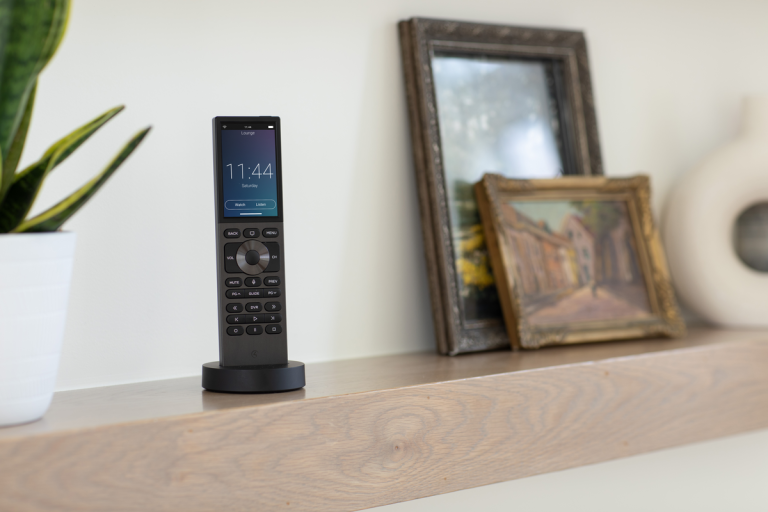
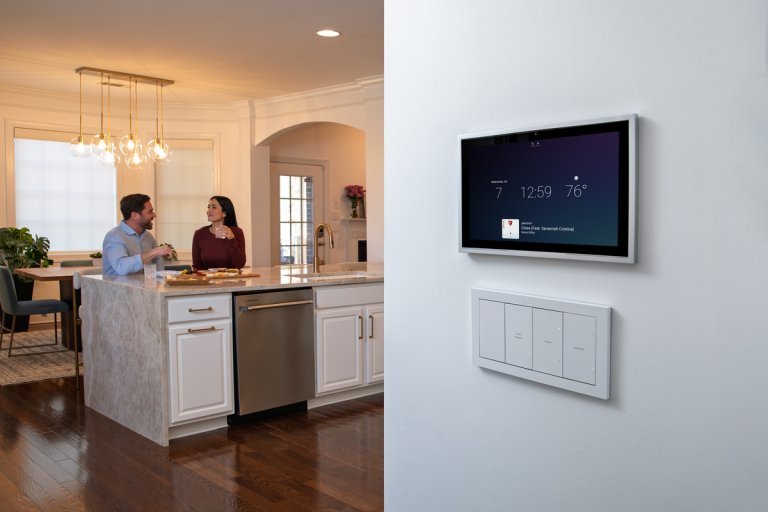
- touchscreens, remotes, keypads, and mobile control
The strength of Control4 is not that it replaces every system in the house.
Its strength is that it can bring many of those systems together.
A homeowner may have Lutron lighting, Sonos audio, Sony televisions, motorized shades, cameras, climate systems, and outdoor technology.
Control4 can provide the common layer that helps those systems work together instead of forcing the homeowner to live in a collection of separate apps.
What Does Lutron Do Best?
Lutron specializes in lighting control and motorized shades.
That sounds narrower than Control4, but it is also why Lutron can be so strong in those categories.
Depending on the project, that may include:
- RadioRA 3
- HomeWorks
- architectural keypads
- panelized lighting
- fixture-level dimming
- motorized shades
- Ketra lighting
- scenes and schedules
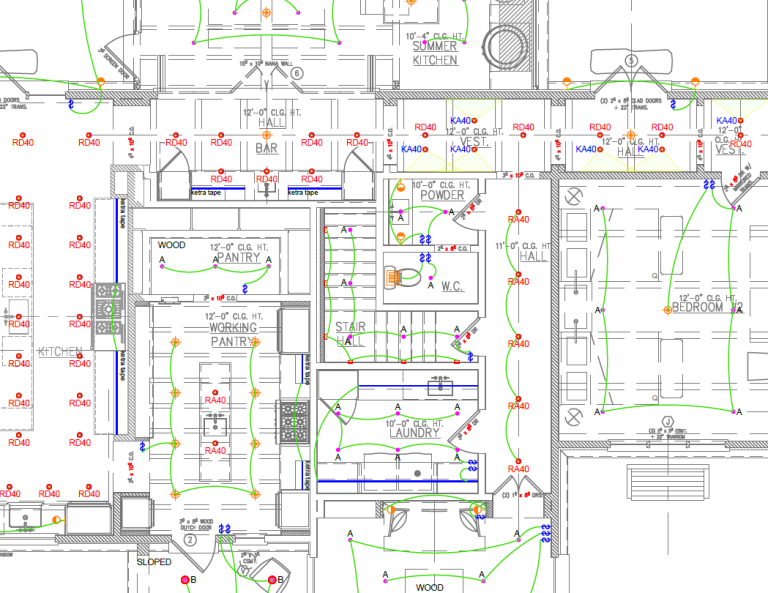
The right Lutron system depends on the size of the home, the number of lighting loads, the level of design flexibility required, and how much coordination the project needs with the architect, electrician, lighting designer, and interior designer.
In a smaller project, RadioRA 3 may be the right fit.
In a larger custom home, HomeWorks may provide the deeper lighting and shading architecture the project requires.
Control4 and Lutron Are Not an Either-Or Decision
This is where homeowners sometimes get confused.
They may hear “Control4” and “Lutron” and assume they need to choose one platform.
In many homes, that is not the right comparison.
Lutron may handle the lighting and shades.
Control4 may provide the broader whole-home interface and automation.
For example, a homeowner could press one button on a Control4 interface and trigger a scene that:
- adjusts the Lutron lighting
- lowers the motorized shades
- turns on the television
- starts music
- changes the thermostat
- secures selected doors
The homeowner experiences one action.
Behind the scenes, multiple systems may be working together.
That is integration.
When Is Control4 Alone Enough?
Control4 can be enough when the homeowner wants centralized control and the lighting or shade requirements do not justify a separate Lutron system.
That may be appropriate when:
- lighting control needs are relatively simple
- the home already has conventional lighting
- the project focuses more heavily on audio, video, climate, cameras, or access
- the homeowner wants one broader automation platform without a large dedicated lighting system
The exact answer depends on the project.
The important point is that not every home needs the same architecture.
When Is Lutron Alone Enough?
Lutron can also stand on its own very well.
A homeowner may want sophisticated lighting control and motorized shades without needing broader whole-home automation.
In that case, a Lutron system can provide:
- centralized lighting control
- elegant keypads
- scenes
- schedules
- shade control
- app control
- reliable day-to-day operation
That can be the right answer for a homeowner who cares deeply about lighting and shading but does not need one platform controlling audio, video, climate, cameras, and the rest of the home.
When Does Using Both Make the Most Sense?
Using both makes the most sense when the home needs a stronger lighting and shading platform plus broader whole-home integration.
This is common in larger custom homes where the project may include:
- Lutron HomeWorks
- Ketra
- motorized shades
- Control4
- whole-home audio
- multiple televisions
- cameras
- climate integration
- access control
- outdoor technology
In that kind of project, Lutron can manage the lighting and shading architecture while Control4 coordinates the broader experience.
The homeowner does not need to think about which system is doing what.
The systems simply need to work together.
What About Keypads?
Keypads are another area where the systems may work together.
A Lutron keypad may be the right choice for lighting and shade control in one room.
A Control4 keypad may make more sense where the homeowner wants broader scene control that includes lighting, audio, video, climate, or other systems.
In some homes, both types of keypads may be used.
The goal is not to create a wall full of buttons.
The goal is to give the homeowner simple, predictable control in the places where they use the home every day.
We cover that design question in more detail in Keypads vs. Apps: Why Smart Home Wall Controls Still Matter.


Why Lighting Control Should Not Be an Afterthought
Lighting control affects more than convenience.
It can influence:
- electrical design
- fixture compatibility
- keypad locations
- wall clutter
- shade coordination
- scenes
- energy use
- the way rooms feel at different times of day
That is why lighting-control decisions should happen early enough for the electrician, integrator, architect, and interior designer to coordinate.
On larger projects, fixture selections and lighting counts can continue to change as the design develops.
We explain why in Why Lighting Control Counts Can Change During a Project.
The Best Platform Depends on the Home
There is no universal answer that says every smart home should use Control4, Lutron, or both.
The right architecture depends on:
- the size of the home
- the number of systems being integrated
- the lighting and shading scope
- how the homeowner wants to control the home
- whether the project is new construction or an existing home
- future expansion plans
- service and support requirements
A well-designed smart home should not feel like a stack of products.
It should feel like one home.
That is also why we focus on choosing the right platform for the project, not simply the most familiar brand. See Why the Right Smart Home Platform Matters.
Control4, Lutron, or Both? Start With the Scope.
If you are building, renovating, or upgrading a home, the better question is not which brand is “best.” The better question is what the home needs to do and which systems should handle each part of that experience.
SHORE Smart Home designs Control4 and Lutron systems around the project rather than forcing every home into the same template. Sometimes that means Control4. Sometimes that means Lutron.
And in many integrated homes, it means both working together.
We Integrate Smart Homes.